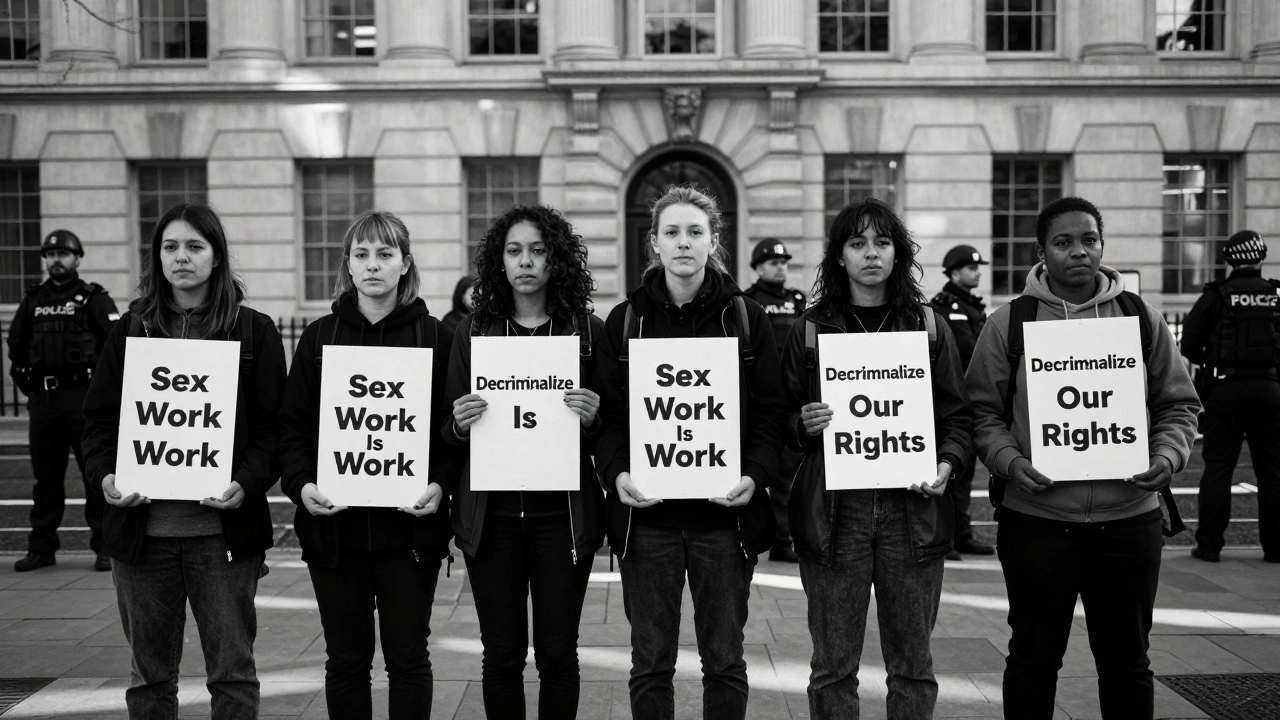
Sex work has always existed in the shadows of economic necessity and social stigma. In the UK, it’s not just about individual survival-it’s tied to broader questions of labor rights, gender inequality, and state control. For decades, sex workers have been excluded from labor protections that most workers take for granted. Yet, in cities like London, where demand for services ranges from casual encounters to high-end arrangements like vip escort london, the line between criminalization and commodification grows blurrier by the year. The truth is, many people in this industry aren’t choosing it because they want to be invisible-they’re choosing it because they need to survive, and they’re doing it with the same dignity and skill as any other worker.
Historically, the British labor movement ignored sex workers. Unions focused on factory jobs, mining, and public sector roles. Sex work was seen as immoral, not industrial. But that changed in the 1970s when groups like the English Collective of Prostitutes began organizing. They didn’t ask for pity-they demanded recognition as workers. Their protests weren’t about ending sex work; they were about ending police harassment, decriminalizing their workplaces, and securing basic rights like safe housing and protection from violence. These weren’t fringe demands. They were labor rights, plain and simple.
How the Law Treats Sex Work-And Why It Fails
The UK doesn’t criminalize selling sex. But it criminalizes almost everything around it. Soliciting in a public place, kerb crawling, running a brothel, even sharing a flat with another sex worker can land you in court. This legal mess is called the "Nordic model" in disguise: pretend you’re protecting people while actually pushing them into more dangerous situations. When you make it illegal to work together, you force people to work alone. When you ban advertising, you cut off access to clients who might pay fairly and safely. And when you treat every transaction as evidence of exploitation, you silence the voices of those who aren’t being exploited at all.
Studies from the London School of Economics show that decriminalization leads to fewer arrests, less violence, and better access to health services. Yet, politicians keep pushing raids and sting operations, often targeting the most vulnerable-migrant workers, trans women, and people with no other income options. Meanwhile, the market keeps growing. In London, the demand for discreet, high-quality services has created a tiered system. At the top end, you find professionals who charge hundreds per hour, manage their own bookings, and hire assistants. Some even run small businesses. That’s not trafficking. That’s entrepreneurship.
The Rise of Independent Sex Workers and Digital Platforms
Before the internet, sex workers relied on street corners, phone lines, and third-party agencies. Now, many use platforms like OnlyFans, JustForFans, or their own websites. This shift changed everything. Workers gained control over pricing, scheduling, and client screening. They could build reputations, collect reviews, and even offer packages-like a spa day with companionship, or a dinner date with no sexual expectation. Some even hire accountants and lawyers. This isn’t a fringe trend. It’s a quiet revolution in labor autonomy.
But the state hasn’t caught up. HMRC still treats income from sex work as suspicious. Many workers can’t open bank accounts. Some have been denied housing because landlords found out their source of income. A 2023 survey by the UK Sex Workers’ Advocacy Network found that 68% of independent workers had been refused service by a bank or landlord. That’s not a market failure. That’s systemic discrimination.
And then there are the agencies. Some are exploitative, charging exorbitant fees or forcing workers to pay for "protection". But others operate like any other staffing firm-taking a small commission, handling admin, and ensuring safety standards. The best london escort agency models aren’t about control. They’re about efficiency. They offer vetting, legal advice, and emergency support. For many, especially newcomers or those without digital skills, these agencies are the only way to enter the market safely.

Why the Labour Movement Needs to Reclaim Sex Workers
The UK labor movement has a long history of fighting for the forgotten: domestic workers, gig drivers, care workers. Why not sex workers? They’re not asking for special treatment. They’re asking for the same rights everyone else has: the right to unionize, the right to report abuse without fear, the right to fair pay, and the right to be seen as human beings, not criminals.
Organizations like the UK Network of Sex Work Projects (UKNSWP) have been pushing for this for years. They’ve worked with unions like the GMB and UNISON to draft policy proposals. Some local councils have started pilot programs-offering health clinics at sex worker drop-in centers, or training police to treat complaints from sex workers as seriously as any other assault case. Progress is slow, but it’s real.
Meanwhile, the public conversation remains stuck in stereotypes. Media still frames sex work as a tragedy or a moral failing. Rarely do you hear from a woman who chose this work because it paid better than her job at the call center. Or from a trans man who found dignity in being paid for his time, not his identity. Or from a single mother who uses her earnings to put her kids through school.
The Hidden Economy of London’s High-End Market
When people think of sex work in London, they imagine street-based workers. But the real growth is in the private, upscale sector. These are professionals who work out of luxury apartments, hotels, or their own homes. They don’t advertise on street corners. They rely on word-of-mouth, curated websites, and discreet referrals. Some even have corporate clients-CEOs, diplomats, foreign investors-who value discretion and reliability over cheap thrills.
This isn’t about glamour. It’s about professionalism. Many of these workers have degrees, speak multiple languages, and treat their clients like any other customer. They set boundaries, use contracts, and have clear cancellation policies. One worker in Chelsea told me she charges £800 for a four-hour evening-includes dinner, conversation, and companionship. She books six clients a month. That’s £4,800. She pays taxes, saves for retirement, and hires a cleaner. She’s not a victim. She’s a small business owner.
And that’s where the term london vip escort becomes more than a marketing phrase. It’s a descriptor of a real, skilled service economy. The people behind those profiles aren’t being trafficked. They’re managing their own brands. They’re building client loyalty. They’re negotiating rates. They’re doing the same things entrepreneurs do every day-just under a heavier legal cloud.

What Needs to Change
Here’s what real progress looks like:
- Decriminalize all aspects of consensual adult sex work
- Allow sex workers to unionize and access workplace protections
- Remove barriers to banking and housing based on income source
- Train police and social services to treat sex workers as clients, not suspects
- Fund independent sex worker-led organizations, not top-down "rescue" programs
These aren’t radical ideas. They’re basic labor rights. Countries like New Zealand and parts of Australia have done this. Violence against sex workers dropped by 40% in the first five years after decriminalization. Health outcomes improved. Police resources shifted from targeting workers to chasing actual traffickers.
The UK could do the same. But it won’t happen unless the labor movement wakes up. It won’t happen unless unions stop pretending sex work is something to be abolished, not regulated. It won’t happen unless we stop believing that the only good sex worker is a silent one.
Supporting Real Change
If you care about workers’ rights, you can’t pick and choose who deserves protection. The fight for fair wages, safe conditions, and dignity doesn’t end at the factory gate. It extends to the bedroom, the hotel room, the private apartment. Sex workers aren’t asking for charity. They’re asking for equality.
Support local sex worker collectives. Donate to groups like the English Collective of Prostitutes or the UKNSWP. Call your MP and demand a review of the current laws. Speak up when someone uses "prostitution" as a slur. Listen to the people doing the work-they know better than any politician what they need.
And if you’re one of the thousands who hire sex workers in London-whether it’s for companionship, emotional support, or intimacy-remember this: the person you’re paying isn’t a fantasy. They’re a human being with a rent bill, a family, and a right to be safe. Treat them that way.